Introduction
Material selection is the backbone of durable carry case design, dictated by performance criteria such as abrasion resistance, weight constraints, budget targets, and alignment with corporate sustainability values. Because every product faces unique operating conditions, understanding the properties of synthetic fibers, technical weaves, and performance treatments ensures that cases withstand physical stress while delivering a premium tactile experience.
Exploring Core Fabrics and Technical Specifications
Different materials and fabric constructions offer specialized physical advantages for custom applications:
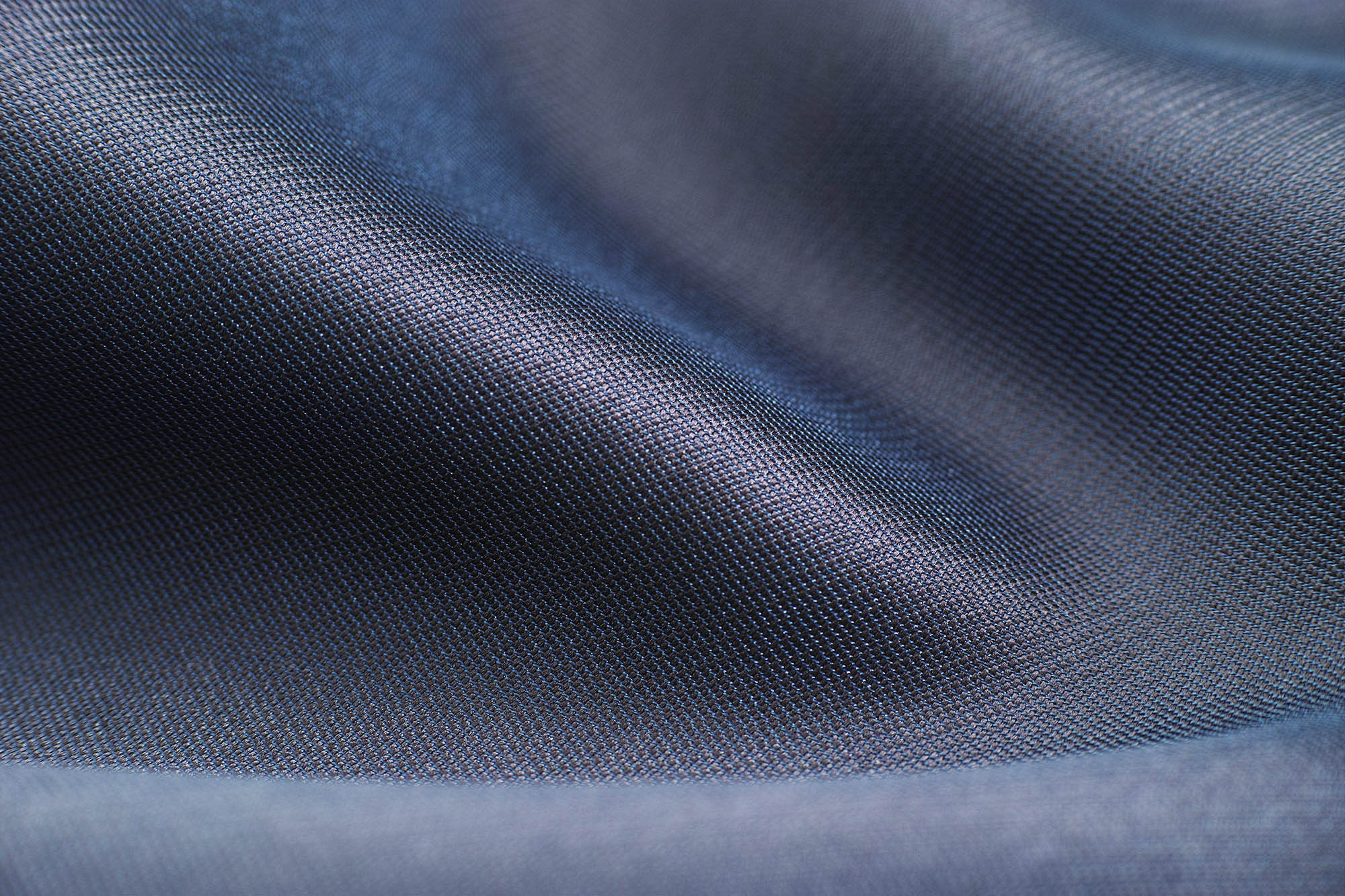
- Nylon: Renowned for exceptional strength, high elasticity, quick-drying capabilities, and superior abrasion resistance. Nylon maintains structural integrity even when wet, making it a primary choice for rugged outdoor environments. Its performance is heavily categorized by denier (D) specifications:
- 70D–150D suits lightweight linings and pouches.
- 210D–420D handles small organizers and light bags.
- 600D–1000D provides heavy-duty durability for rugged gear.
- Ballistic Nylon (1050D/1680D) and Cordura offer maximum tactical and military-grade tear resistance.
- Polyester (including rPET): A versatile, cost-effective alternative providing dimensional stability, wrinkle resistance, and excellent color retention for vibrant printing. As a sustainable recommendation, utilizing recycled PET (rPET) reduces environmental footprints without increasing material costs.
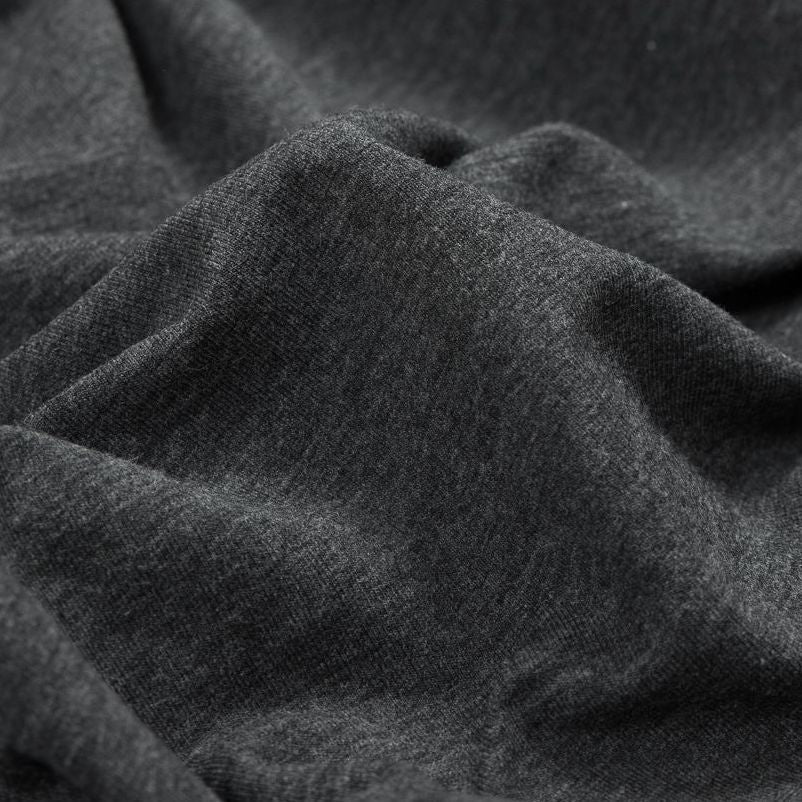
- Neoprene, Jersey, and Microfibers: Neoprene provides built-in shock absorption and elasticity for electronic sleeves, while jersey linings add stretch and comfort. Ultra-fine microfiber offers anti-scratch interior protection for sensitive lenses and device screens.
- Leather and Polyurethane (PU): Genuine leather delivers a luxurious aesthetic, whereas PU mimics leather textures while adding enhanced water resistance and manufacturing cost-effectiveness.
Furthermore, raw fabrics are frequently enhanced with performance treatments such as waterproof membranes, flame-resistance coatings (to slow ignition and flame spread), anti-microbial silver-ion integrations, and UV-blocking finishes.
Conclusion
Material innovation allows designers to tailor carry cases precisely to rigorous industrial, medical, and consumer demands. By choosing high-performance textiles like ballistic nylon or sustainable alternatives like rPET, brands can enhance product longevity while meeting modern environmental standards. Balancing structural durability with specialized protective treatments guarantees that the end product performs reliably across diverse global markets.