
Introduction
In the intricate, high-stakes ecosystem of product development, a curious paradox frequently unfolds. Design teams spend countless hours refining the ergonomics of a device, optimizing its processor, selecting premium tactile finishes, and engineering flawless internal architectures. Millions of dollars and months of rigorous testing are poured into the core product. Yet, all too often, the very vessel that will house, transport, and protect this creation is treated as a minor footnote—an afterthought hastily addressed at the eleventh hour. Rushed through development and viewed strictly as a cost center to be minimized, the carry case is traditionally dumped into the budget constraints of project completion. This traditional mindset misses a profound strategic opportunity.
When approached with intentionality, the carry case is not merely a protective shell or a disposable container; it is the ultimate transition point between the product and the world. It is the prologue to the user experience and a persistent, mobile billboard for corporate identity. As consumer expectations rise and markets become increasingly saturated, viewing the carry case as a strategic asset rather than an operational nuisance can fundamentally alter a brand’s trajectory. By shifting this paradigm, companies can transform a low-involvement accessory into a powerful brand ambassador, safeguard their product investments, and elevate customer satisfaction to entirely new heights.
Shifting Paradigms: From Cost Center to Value Multiplier
To understand why the carry case is historically neglected, one must examine how corporate accounting and traditional product roadmaps view packaging and housing. In many boardrooms, a case is categorized under "bill of materials" or logistical overhead—an expense that eats into profit margins without directly adding core functionality to the device itself. Consequently, teams feel immense pressure to slash costs here, opting for generic stock dimensions, substandard synthetic fabrics, and uninspired foam inserts. However, this penny-wise, pound-foolish approach ignores the hidden costs of poor protection and underwhelming presentation. When a product arrives in a flimsy, generic box or bag, the unboxing experience falls flat, signaling to the consumer that the contents inside might similarly lack care. Conversely, a thoughtfully engineered carry case acts as a tangible value multiplier. It communicates premium quality from the very first touch, justifying higher price points and cementing a perception of excellence. By investing upfront in smart structural design, brands can circumvent the astronomical expenses associated with returns, warranty claims, and negative customer reviews triggered by transit damage. In essence, a well-designed case pays for itself by protecting the core asset and enhancing the perceived value of the entire offering.
Branding on the Move: From Bold Statements to Discrete Elegance
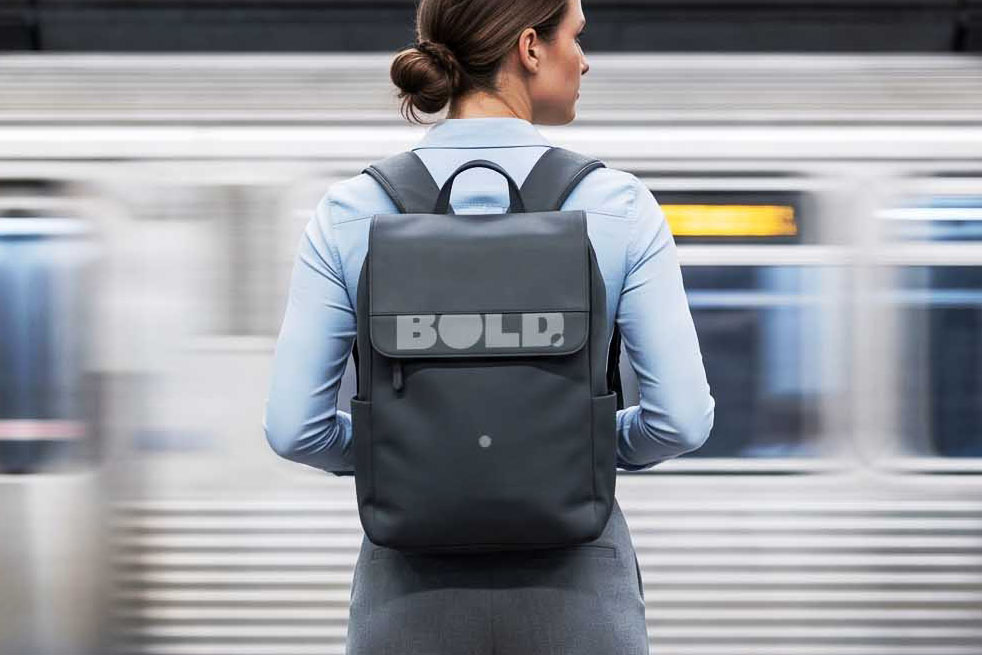
Beyond protection, a carry case occupies a unique real estate in the consumer's daily life: it travels. Unlike the retail packaging, which is usually discarded or stored away in a closet, the carry case remains in constant circulation, moving through airports, boardrooms, coffee shops, and public transit. This mobility transforms the case into a high-visibility, mobile brand ambassador. However, leveraging this surface area requires a nuanced understanding of branding psychology. Striking the right balance between bold visibility and discrete elegance is critical. While some brands benefit from prominent, high-contrast logos that shout identity and prestige, others achieve greater impact through subtle design cues—such as a signature zipper pull, a proprietary hardware finish, an embossed monogram, or a carefully calibrated color palette that whispers luxury and professionalism. Crucially, this exterior presentation must authentically represent the core values of the company. A rugged, utilitarian brand built for extreme outdoor conditions demands high-tenacity ballistic nylon and heavy-duty hardware, whereas a sleek consumer electronics firm might opt for minimalist vegan leather and clean, geometric lines. When the case’s aesthetic matches the company's ethos, it acts as an organic extension of corporate identity, visible to peers and potential clients in spaces where traditional advertising cannot reach.
Enhancing the User Journey and Mitigating Operational Risk
Ultimately, a superior carry case is an active participant in the user journey, engineered to enhance functionality and solve potential pain points before they manifest as customer dissatisfaction. The user journey does not begin when a device is powered on; it begins the moment the user reaches for its enclosure to unpack, deploy, or pack it away. Ergonomic handle placements, intuitive cable management channels, quick-access magnetic clasps, and modular compartment layouts can dramatically streamline these micro-interactions, turning a tedious chore into a seamless ritual. Furthermore, a meticulously designed interior architecture addresses critical operational risks. It prevents micro-scratches from shifting components, absorbs the kinetic shock of accidental drops, shields sensitive optics or electronics from dust and moisture, and prevents mechanical malfunctions over time. By neutralizing these failure points, the case actively protects the brand's reputation. It drastically minimizes the volume of support tickets, warranty replacements, and scathing online reviews born from premature wear and tear. When functionality, protection, and user-centric design converge, the carry case ceases to be a passive box—it becomes an indispensable tool that elevates the entire ownership experience.
Conclusion
The journey of the carry case from a neglected afterthought to a strategic brand ambassador represents a vital evolution in modern industrial design. When companies break free from the traditional view that sees packaging and housing merely as sunk costs, they unlock a wellspring of untapped potential. A thoughtfully engineered case does far more than simply shield a device from the hazards of travel; it bridges the gap between functional engineering and emotional resonance. It acts as a silent, mobile guardian of corporate reputation, projecting brand values through meticulous aesthetics—whether through bold statements or discrete elegance—while actively participating in and enriching the daily user journey. By eliminating the risks of scratches, shocks, and premature wear, it protects both the physical product and the company's bottom line from the hidden costs of customer dissatisfaction. Ultimately, the carry case should no longer be treated as the final item checked off a rushed project list. Instead, it deserves a seat at the table from day one—recognized for what it truly is: a powerful touchpoint that can define a brand, delight a user, and turn an everyday product into an unforgettable experience.