A carry case is often the first physical touchpoint between a user and the device inside it. For a medical instrument, industrial meter or field-service tool, the case has to protect, organize, and look like part of a professional product. Choosing a construction method is one of the earliest and most consequential decisions in development. It affects protection level, tooling investment, unit cost, lead time and how the product looks. Below is a practical overview of the five main approaches used in OEM soft goods manufacturing and where each one fits best.
Cut & Sew
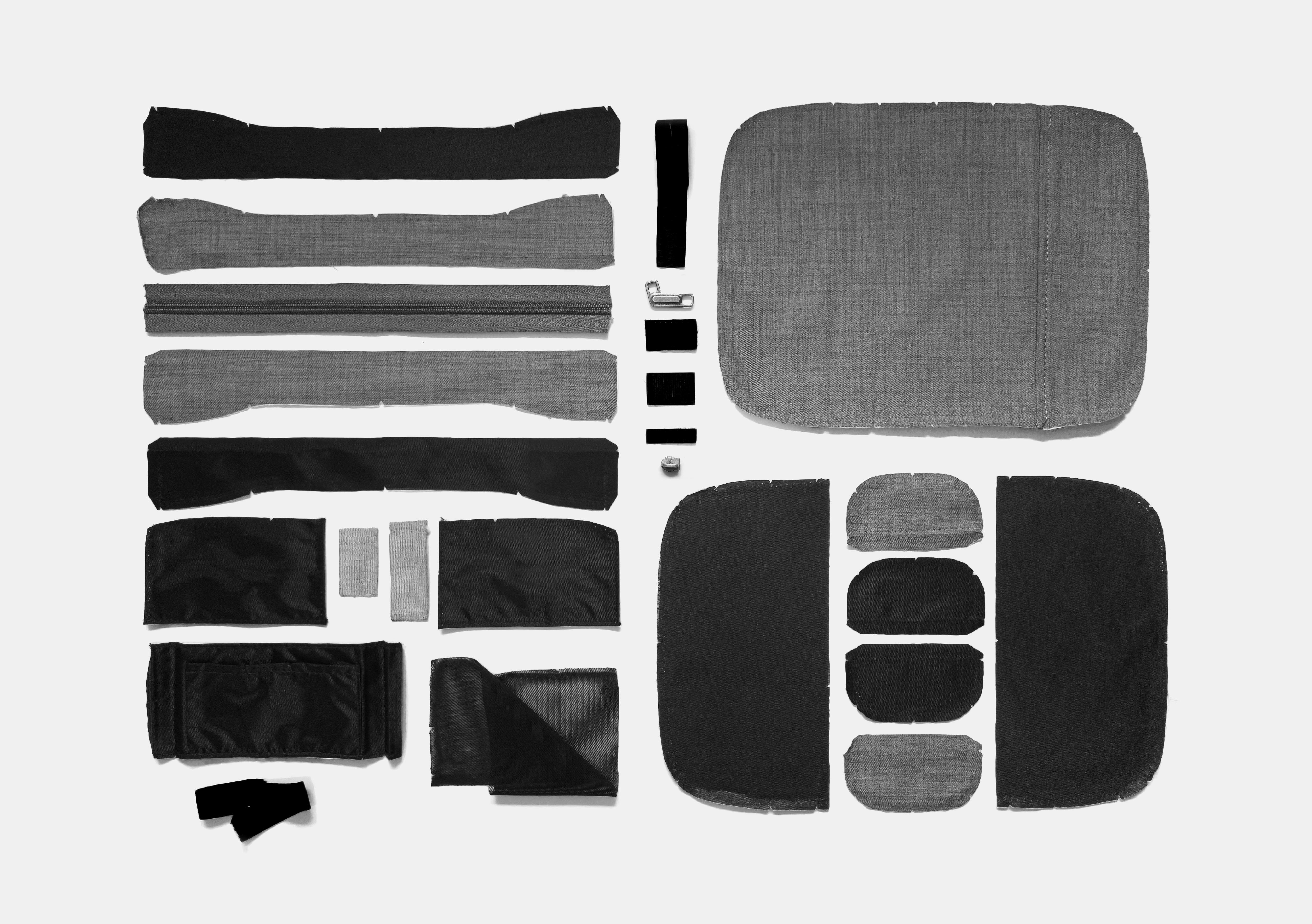
Cut & sew is the foundation of soft goods manufacturing. Panels of fabric, such as nylon, polyester, coated textiles or technical laminates, are die-cut or CNC-cut and stitched together. Foam, binding, zippers, webbing and hardware are added along the way.
Its biggest advantage is flexibility. Tooling costs are low, so prototypes can be built and revised quickly, and design changes later in development stay affordable. Cut & sew suits pouches, tool bags, sales and technician bags, shoulder bags and multi-compartment organizers. It handles low and high volumes equally well. The tradeoff is structure. Without added stiffeners, a sewn case has limited crush resistance and less precise dimensional control.
Thermoforming
Thermoforming, also called EVA molding, uses heat and pressure to press foam laminated with fabric into a matched aluminium or steel mold. The result is a semi-rigid shell with a defined three-dimensional shape. Two molded halves are usually joined with a zipper to create the familiar clamshell case.
Thermoformed cases offer much stronger impact and crush protection than cut & sew. They also hold their shape, with clean surfaces suited to debossed or embossed logos. Mold costs are moderate, which makes the method attractive for mid- to high-volume programs. It is the standard choice for protecting electronic devices, diagnostic instruments and consumer accessories, where a premium feel and reliable protection both matter.
Hybrid Construction
Hybrid construction combines textile construction with injection-molded plastic components. A typical example is a rigid device cradle, clip or frame that is stitched or riveted into a thermoformed or cut & sew case. The fabric provides comfort, appearance and lightweight bulk. The molded part locates and secures the device with precision.
This approach is especially useful when a device has to be operated, charged or read while it stays inside the case. Examples include medical pumps, handheld scanners and test equipment. Molded parts can include snap-fits, cable channels, and mounting points that fabric alone cannot deliver. Hybrid cases need careful engineering of the interface between rigid and soft materials. Done well, they combine the strengths of both worlds.
Plastic Injection Molding
When maximum rigidity, repeatability and integration with the device are required, fully injection-molded cases and housings are the answer. Molten thermoplastics such as PC, ABS, PP or TPU blends are injected into steel tooling. The process produces parts with tight tolerances, complex geometry and consistent quality across very high volumes.
Injection molding requires the largest upfront tooling investment and longer lead times for mold building. At scale, though, it delivers the lowest unit cost and the highest precision. It suits hard cases, protective shells, docking holsters and components that must interface mechanically with the host device.
Rubber Molding (Silicone Compression Molding)
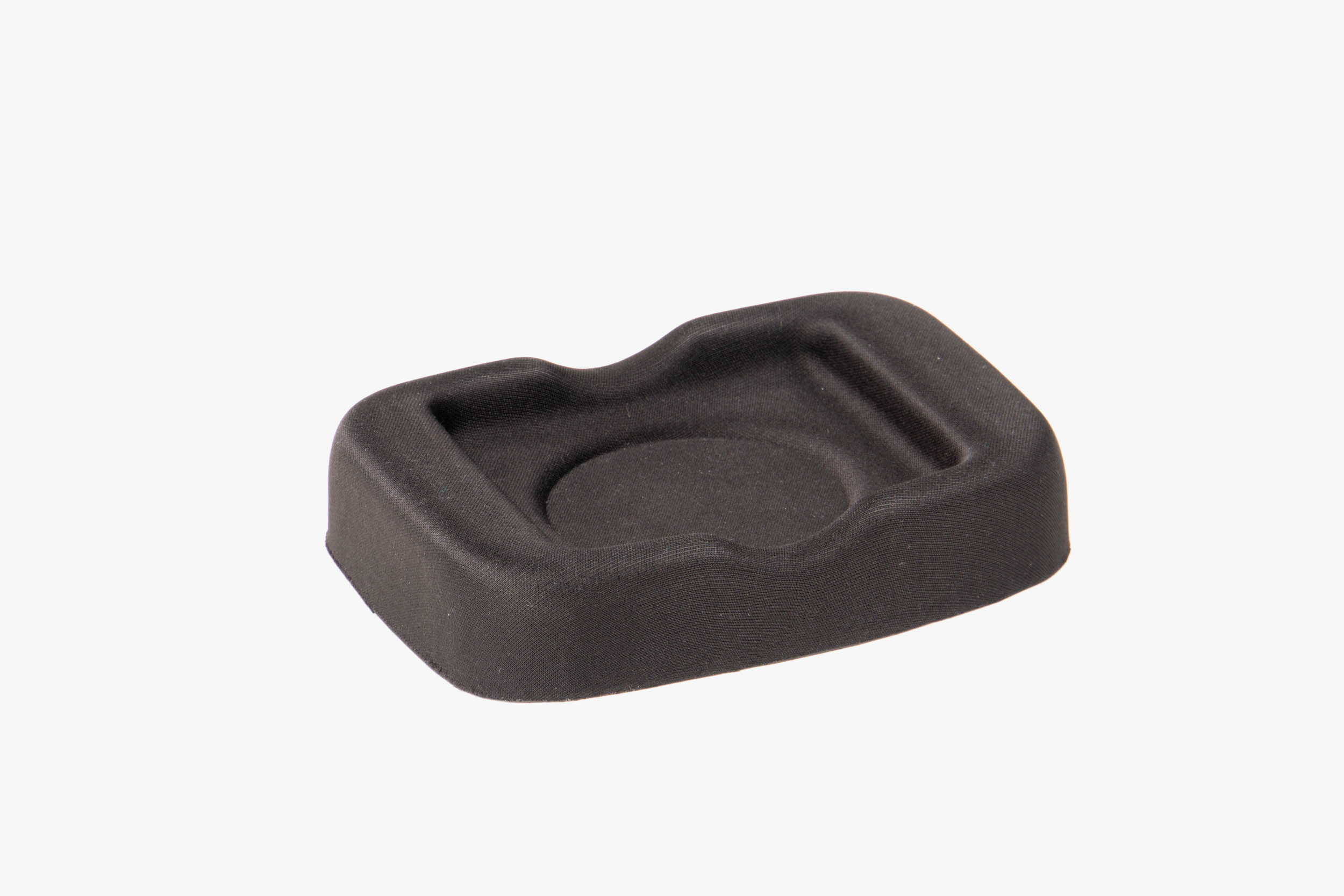
Silicone rubber compression molding places pre-measured silicone material into a heated mold, where it cures under pressure into its final shape. The result is a soft, flexible, grippy and highly durable part.
Silicone sleeves and skins provide excellent shock absorption, chemical resistance and easy cleaning. These qualities are particularly valuable in medical and healthcare settings, where disinfection protocols are strict. Silicone can be produced in custom colors, with molded-in textures, logos and precise openings for buttons, screens and ports. Tooling costs are typically lower than for plastic injection molding. That makes silicone a cost-effective way to add form-fitting protection to a device.
Conclusion
No single construction method is right for every product. Cut & sew offers flexibility and low tooling cost. Thermoforming adds structure and a premium look. Hybrid construction combines fabric with molded precision. Injection molding delivers rigidity and scale. Silicone molding provides soft, cleanable, form-fitting protection.
The best results come from matching the method to the device, the use environment, the target volume and the budget. In many cases that means combining several methods in one product. Working with a manufacturing partner that has experience across all five methods lets brands and OEMs pick the right one rather than the only one available. The case can then be engineered to protect the device and fit the way it is used.